
Gambling is banned in Telangana, Andhra Pradesh, Assam, Odisha, and Tamil Nadu, where both offline casinos and online betting are subject to strict state-specific restrictions.
Some states impose partial restrictions or maintain grey areas. They allow skill-based games or regulated online play, but they still prohibit most large-scale gambling and betting.
In this article, we explore fully banned states, partially restricted states, penalties, legal alternatives, and common misconceptions, giving a clear guide to gambling laws in India.
Fully Banned Gambling States in India
Goa, Sikkim, and Daman are the only three places where casinos are allowed. Meanwhile, some states have completely banned gambling, covering both offline casinos and online betting.

The table below shows the status of offline and online gambling in fully banned states:
| State | Offline Gambling | Online Gambling | Key Notes |
|---|---|---|---|
| Telangana | Banned | Banned | Strict enforcement |
| Andhra Pradesh | Banned | Banned | Covers online gaming |
| Assam | Banned | Banned | Traditional strict laws |
| Odisha | Banned | Banned | Conservative stance |
| Tamil Nadu | Banned | Regulated | Laws evolving |
Source: Tamil Nadu Online Gaming Authority
States with Partial Restrictions On Gambling
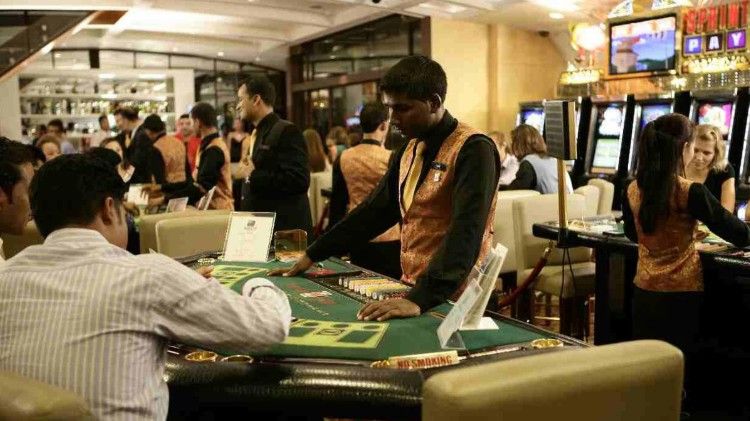
Some Indian states partially restrict gambling, allowing skill-based or regulated online games while banning most offline casinos.
The table below shows partially restricted states and their online/offline gambling status:
| State | Gambling Status | Online Gambling | Notes |
|---|---|---|---|
| Maharashtra | Restricted | Allowed (Skill) | Skill games allowed |
| Karnataka | Restricted | Allowed (Skill) | Legal changes in recent years |
| Gujarat | Restricted | Mostly banned | Strict public gambling laws |
| Uttar Pradesh | Restricted | Allowed (Skill) | Follows the central law |
| Kerala | Restricted | Allowed (Skill) | Some online games restricted |
Source: Ministry of Electronics and Information Technology
Penalties for Illegal Gambling in India
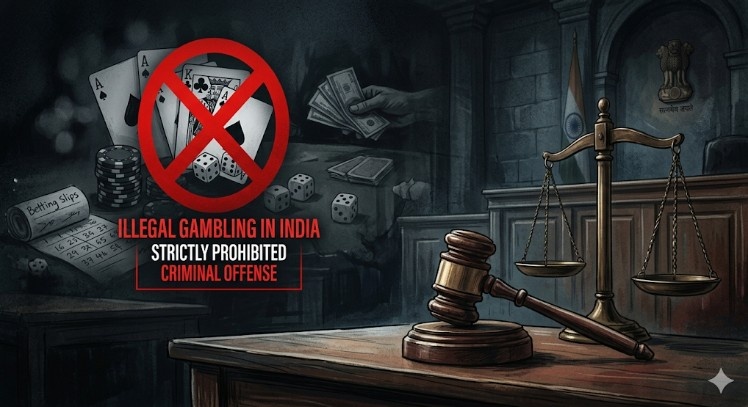
Breaking gambling laws in India can lead to serious penalties. Authorities may impose fines, imprisonment, or both. Different offenses have different consequences depending on the activity.
The table below shows common offenses and their possible penalties:
| Offense | Possible Penalty |
|---|---|
| Running an Illegal Gambling House | 1 to 7 years imprisonment + Fine (BNS Sec 112). |
| Operating Unregistered Online Apps | Up to ₹1 Crore fine and 3 years in prison. |
| Advertising Banned/Offshore Sites | Up to ₹50 Lakh fine and 2 years in prison. |
| Participating (Player) | Usually a fine (₹5k–₹50k) and possible bank account freeze. |
Source: PIB
Common Misconceptions About Gambling Legality in India
Many people get confused about gambling laws in India. These myths can misguide players about what is allowed or not. Knowing the reality will prevent penalties or legal issues.
1. “Online gambling is legal everywhere in India.”
Reality: The government can also restrict illegal online gambling sites, which further demonstrates it’s not legal in every state. In 2026, some 300 gambling websites were blocked.
Source: The Times of India
2. “Only operators get penalised, players are safe.”
Reality: Players can also face restrictions, service blocks, or fines, as government crackdowns affect the entire ecosystem.
Source: The Times of India
3. “Fantasy sports and skill games are always legal.”
Reality: Even skill‑based and fantasy platforms have faced scrutiny under new laws like the Online Gaming Act, 2025.
Source: Promotion and Regulation of Online Gaming Act, 2025
4. “No one is taking online betting seriously.”
Reality: The government is actively blocking illegal sites; 242 betting links were blocked in early 2026 alone.
Source: NDTV
5. “The Supreme Court has legalized gambling.”
Reality: Some cases filed seek bans on betting platforms; courts are not hearing blanket legalisation sentences from the Supreme Court to allow betting.
Source: Live Law Hindi
Legal Alternatives to Gambling In India
Not all games of chance are illegal. Safe, legal alternatives include:
- Skill-based Games: Rummy and poker, focusing on player skill legally.

- Fantasy Sports: Platforms like Dream11 follow state-specific legal regulations.

- State Lotteries: Government-run lotteries are fully regulated and legally taxed.
- Free-to-Play Games: It is still legal to create online apps that do not allow real-money betting.
Source: LegalClarity
Conclusion: Gambling is Banned in Telangana, Andhra Pradesh, Assam, Odisha, and Tamil Nadu
Gambling is strictly prohibited in Telangana, Andhra Pradesh, Assam, Odisha, and Tamil Nadu. Both offline casinos and online betting face heavy fines and imprisonment for violations.
Even in states with partial restrictions, understanding local laws is essential. Players should focus on skill-based games or government-regulated alternatives to enjoy gaming safely and legally.
Following rules and choosing legal alternatives ensures safe entertainment, respects state-specific gambling regulations, and helps you avoid penalties or account blocks.
FAQs
Telangana, Andhra Pradesh, Assam, Odisha, and Tamil Nadu have fully banned gambling. They prohibit both offline casinos and online betting platforms.
Fantasy sports are legal in only those states that approve skill-based games, and some restrict or regulate platforms like Dream11.
The penalty for illegal gambling is up to the offense and state enforcement rules; it can involve fines, jail, or both.
States that recognize skill games allow online poker; ensure the platform has a license and follows state regulations.
Kerala, Sikkim, Goa, and Maharashtra allow certain legal gambling activities or government-run lotteries under strict regulation.
