
The UK, Malta, Brazil, and Italy are among the countries where gambling is legal, while others have partially or completely banned casino activities.
Casino laws have changed a lot in 2026 worldwide, and not just in India. This guide shows where casinos are legal in 2026.
You’ll learn which countries allow casinos, where online gambling is legal, and which nations ban everything. The information covers both physical casinos and internet sites.
Countries Where Casinos Are Legal in 2026
Here are some primary countries and a classification of what they allow in their territories for casinos.
| Country / Region | Land-Based Casinos | Online Casinos | Regulation Type |
|---|---|---|---|
| Macau (China) | ✅ Legal | ❌ Not public | Government |
| United States | ✅ 46 states | ✅ Selected states | State-level |
| Brazil | ❌ (future) | ✅ Legal (2026) | Federal regulation |
| Singapore | ✅ Legal | ❌ Restricted | Integrated Resorts |
| Philippines | ✅ Legal | ✅ Licensed | PAGCOR |
| UK | ✅ Legal | ✅ Fully legal | Open market |
| India | ⚠️ Limited | ⚠️ Banned | State-based |
| Australia | ✅ Legal | ❌ Prohibited | State licensing |
| Canada | ✅ Legal | ✅ Province-based | Provincial control |
| Monaco | ✅ Legal | ❌ Limited | Government |
| South Africa | ✅ Legal | ❌ Prohibited | Provincial boards |
| Peru | ✅ Legal | ✅ Legal | Federal framework |
This table shows the main gambling markets, and each country has different rules. The split between physical casinos and online casinos matters when you want to play.
Best Casino Legal Countries Worldwide (2026)
These countries run the biggest casino markets. They make a lot of money and have clear rules.
1. Macau (China)
Macau makes more casino money than anywhere else. In 2025, Macau’s gross gaming revenue hit $28.32 billion. Six companies run casinos under the 2022 gaming law. The government gives out permits that let companies operate.
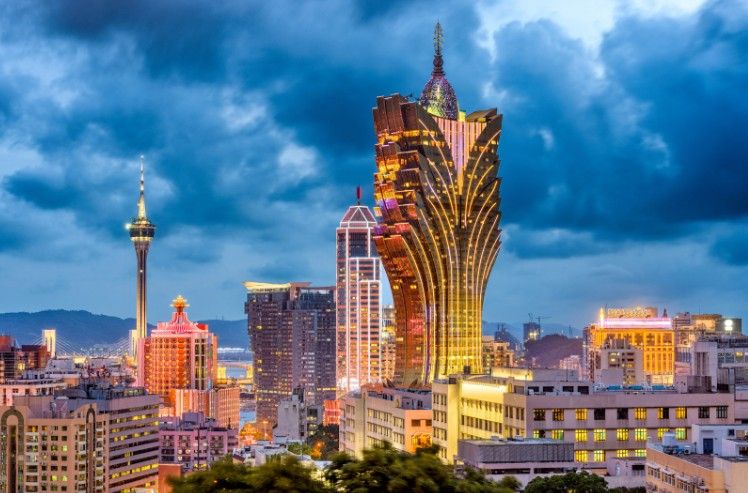
Tourists run the Macau casino market while local people have limits on casino access. The business targets visitors from mainland China and other Asian countries rather than local people.
2. United States
Casino gambling is legal in 43 states in the US. Each state sets its own rules for licenses and operation. Hawaii and Utah strictly prohibit all forms of gambling, and other states have restrictions.

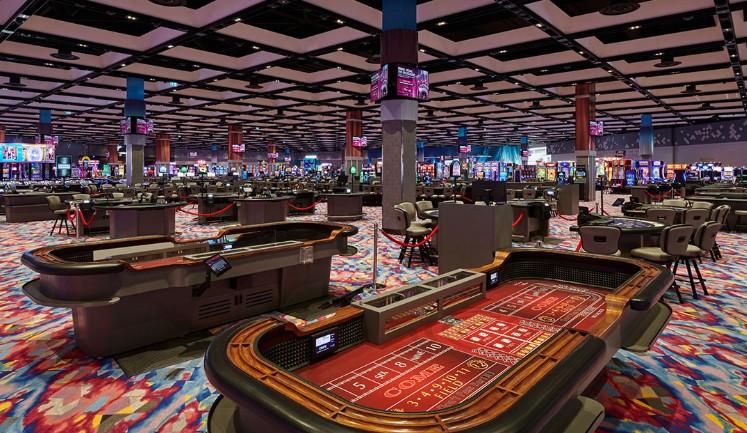
Several states approved casinos that mix tribal gaming with regular licenses in 2026. The USA, Oklahoma, has the largest casino in the world, which is almost 600,000 square feet of land.
Americans travel to Las Vegas, Atlantic City, and tribal casinos across the country for casino gambling. (Source: worldpopulationreview)
3. Singapore
Singapore has two resort casinos, Marina Bay Sands (MBS) and Resorts World Sentosa (RWS), which mix casinos with hotels, shopping, and shows. Singapore has just two properties, but it makes a lot of money per visitor.
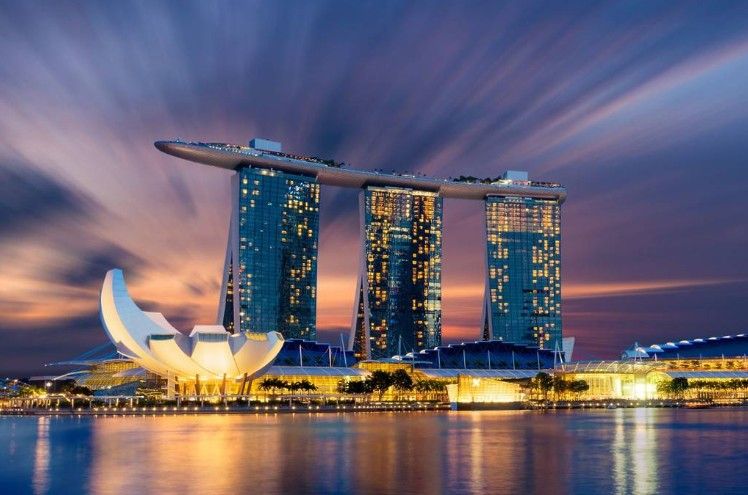
The resorts bring in tourists from Asia and other places. Singapore is one of the strictest environments. Only “Singapore Pools” is authorized for online betting/lotteries, while online casinos are strictly blocked under the Gambling Control Act 2022.
4. Philippines
PAGCOR controls casinos in the Philippines. The Philippines is to become the second-largest gaming market in Asia, following only Macau. By 2025/2026, its GGR is forecast to surpass $7 billion.
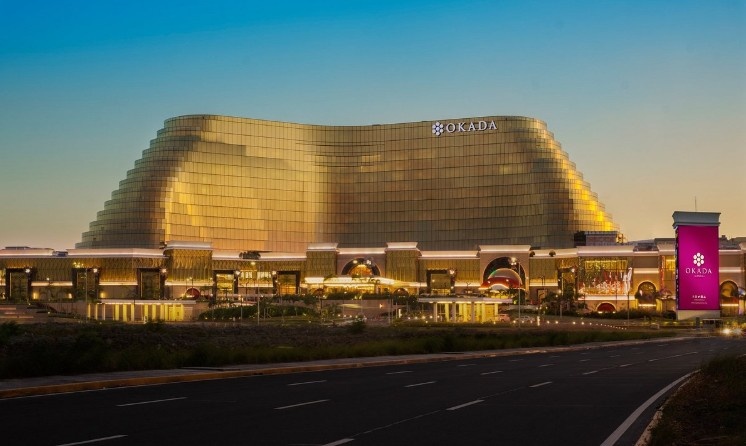
The country works as a hub for Asian players. It also gives licenses to online operators that serve people in other countries. The Philippines has both physical casinos and internet gambling. This makes it one of the busiest markets in Southeast Asia.
5. Monaco
Monte Carlo casinos are run by Société des Bains de Mer (SBM), not the casino itself. SBM has a government-granted monopoly on all gambling in Monaco.

The market relies on luxury tourism. It brings in visitors who want the old-style casino experience. Monaco has strict entry rules for its own people but welcomes players from other countries.
This rule was originally set in the 19th century by the ruling family to prevent the local population from losing their money, ensuring that the casino only drained the pockets of wealthy foreigners.
Newly Regulated & Emerging Casino Markets 2026
Several countries changed their gambling laws in 2026. These markets show big shifts in casino policy worldwide.
1. Brazil — Newly Legal (2026)
Brazil made online gambling and sports betting legal in 2025. All licensed sites must use the .bet.br domain. This makes it easy for players to find legal sites.
The law requires strict money checks and ID verification for all accounts. Brazil became one of the biggest regulated gambling markets right away.

Millions of players started using legal sites. After years of “gray market” status, Brazil has officially moved into a strictly regulated federal framework. Companies must have a local presence and at least 20% Brazilian ownership.
2. Thailand — Legal Framework in Progress
Thailand passed the Entertainment Complex Business Act. This makes a legal structure for casinos. The government expects to finish the rules in early 2026. Physical casinos will not open until after 2030.
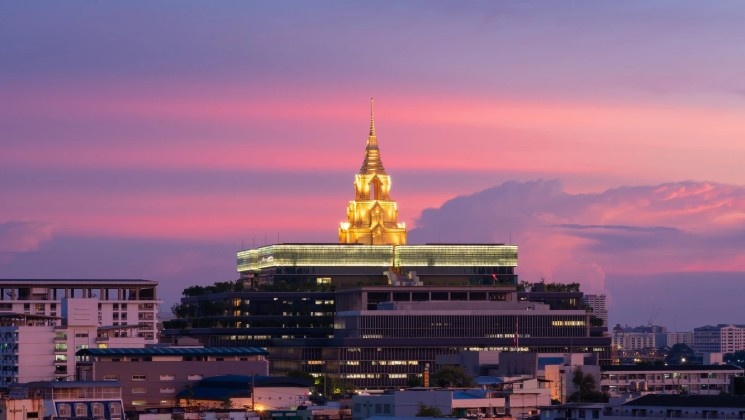
The framework allows resort casinos like those in Singapore and Japan. Thailand wants to capture tourism money that now goes to nearby countries.
3. Japan — Integrated Resort Expansion
MGM Osaka got approval and will open in 2030. Japan plans to give out two more resort casino licenses in 2027.
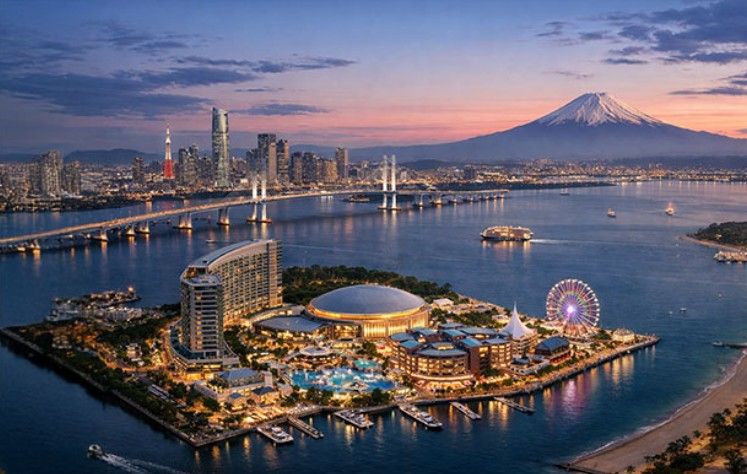
The Japanese model focuses on tourism rather than local gambling. Strict rules limit how many resorts can work and where they can be built.
4. Peru — Latin America’s Transparent Market
Peru works under Law No. 31557. This gives a clear framework for both physical casinos and online gambling. The country serves as a model for other Latin American nations, along with Colombia.

Peru focuses on transparency and license requirements. Operators must meet set standards to get permission to work.
List of Countries Where Online Gambling Is Legal 2026
Online gambling laws vary more than casino building rules. Some countries let many licensed operators compete. Others have government-only systems.
| Category | Countries / Regions |
|---|---|
| Fully Legal Open Market | UK, Malta, Brazil, Italy, Spain, Netherlands, Sweden, Ontario |
| State Monopoly | Finland, Norway, Austria, Luxembourg |
| State-Level Legal | USA (NJ, PA, MI, WV, DE, CT, RI) |
| Export License Only | Curaçao, Philippines, Costa Rica |
| Grey / Partial | India, Australia |
Fully Legal Open Market means many private companies can apply for licenses and compete for players. The UK and Malta started this model. Brazil joined in 2026.
State Monopoly countries let only government-owned operators offer online gambling to residents. Finland’s Veikkaus and Norway’s Norsk Tipping are examples.
State-Level Legal applies mainly to the United States. Each state decides whether to permit online casinos and sports betting. New Jersey, Pennsylvania, and Michigan run the biggest state markets.
Export License Only places give licenses to operators who serve players in other countries. They cannot target local people. Curaçao licenses many international gambling sites this way.
Grey / Partial markets have unclear or limited rules. India allows offline casinos and non-money gaming but bans most online casinos. Australia permits online sports betting but blocks online casino games for its residents.
Country-Specific Casino Legal Status
Each country handles casino laws in different ways. These examples show how the main markets work.
1. Australia
Physical casinos work legally in Australia. Each state gives licenses to physical casino properties. Big cities have at least one casino resort.
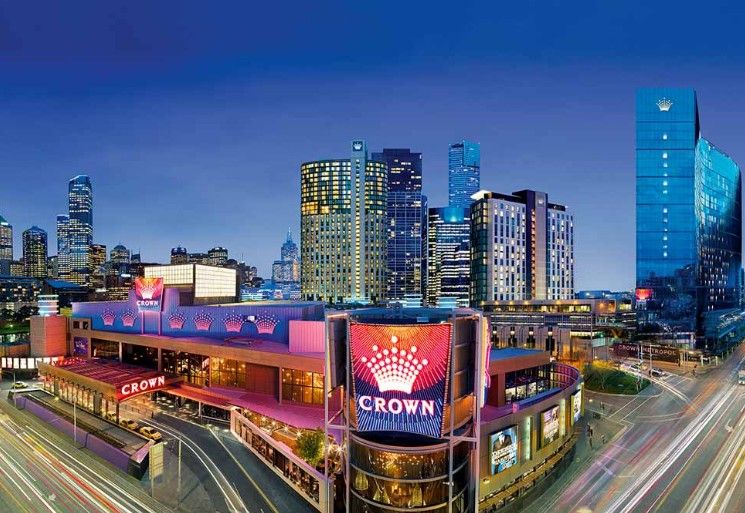
The Interactive Gambling Act blocks online casinos from serving Australian residents. Offshore sites keep taking Australian players. These operations exist in a legal grey area. The government limits payment processing and ads for unlicensed online casinos.
Sports betting stays legal online. This makes a split system. Australians can bet on sports through licensed sites. They cannot access online table games or slots legally.
2. India
India’s gambling scenario is controlled by PROGA, and the Constitution gives gambling control to each state. This makes a patchwork system.
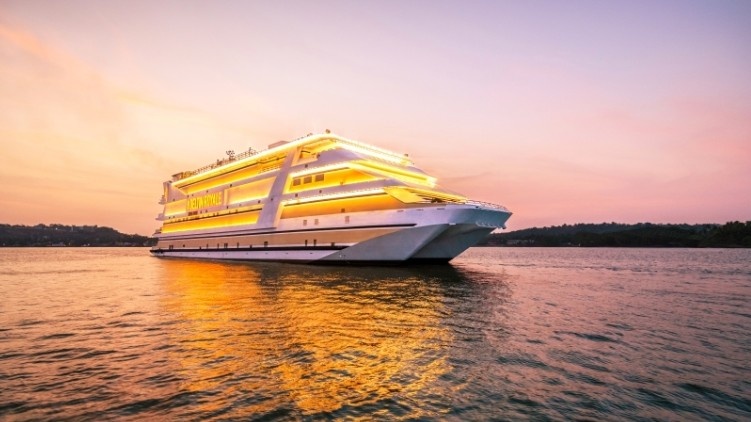
Physical casinos are legal in three places:
- Goa (offshore and land casinos)
- Sikkim (limited casino resorts)
- Daman (casino hotels)
These three states are legal to have offline casinos, but in Goa, locals cannot enter the casinos, and this is because the law wants to protect localities from gambling addiction.
Online gambling is completely banned in India due to the online gaming laws. The “Public Record of Gambling Act” (PROGA) 2025 is currently being challenged in the Supreme Court (as of January 2026). Until a verdict is reached, the ban on online money games remains in effect.
3. Canada
Canada has the Criminal Code, but Section 207 specifically allows provincial governments to “conduct and manage” gaming activities. Each province can decide whether to allow casinos and what types of gambling to permit.
Ontario is the only province that has moved away from a government-run monopoly for online gaming.
In April 2022, it launched a market through iGaming Ontario (iGO), which allowed private companies (like FanDuel, BetRivers, and DraftKings) to obtain licenses and compete legally.
Most other provinces run government sites for online gambling. British Columbia, Quebec, and the Atlantic provinces run their own sites. They do not license private operators.
Offline casinos exist throughout Canada under provincial licensing. Gambling laws change as you cross provincial borders.
List of Countries Where Gambling Is Illegal (Red Zones)
Several countries ban all gambling. These nations block both physical casinos and online gambling sites. The bans often come from religious or cultural values.
| Region | Countries |
|---|---|
| Middle East | Saudi Arabia, Qatar, Kuwait, |
| Asia | Mainland China, Indonesia, Pakistan, Bangladesh |
| USA | Utah, Hawaii |
Middle Eastern countries base their gambling bans on Islamic law. Islamic law blocks games of chance. Saudi Arabia, Qatar, and Kuwait enforce strict penalties for gambling.
Mainland China bans all gambling except state-run lotteries. The ban drives Chinese players to Macau. Macau works under different laws as a special area. Indonesia, Pakistan, and Bangladesh also keep full bans tied to Islamic legal traditions.
Global Casino Industry Trends in 2026
The casino business shifted in several ways during 2026. Two trends stand out for how they change where and how people gamble.
Rise of Sweepstakes Casinos
Sweepstakes casinos grew fast in the United States and Canada. These sites use a “no purchase necessary” model.
Players get virtual currency through free daily bonuses. This lets the sites argue they are not gambling sites under current laws.

States like Texas, California, and Florida see lots of sweepstakes casino activity. Online casino gambling remains illegal in these states.
However, Assembly Bill 831 was signed into law, banning the dual-currency sweepstakes model in California starting January 1, 2026. Most major operators have now exited the California market.
Shift Toward Regulation Over Bans
Governments choose regulation instead of bans. Brazil’s 2026 legalization shows this trend. They moved from a total ban to a fully regulated market in one law session.
Asia shows movement toward regulated gambling through resort casinos. Thailand, Japan, and Vietnam all advanced casino frameworks during 2025 and 2026. They prefer controlled legalization to outright bans that push gambling underground.
By 2026, the UAE will have ended its total gambling ban, and now the GCGRA regulates the industry.
This body has now issued licenses for a national lottery, physical casinos, and online gaming sites.
While nearby countries like Saudi Arabia still forbid all gambling, the UAE now permits regulated operators to work within its borders under specific federal laws.
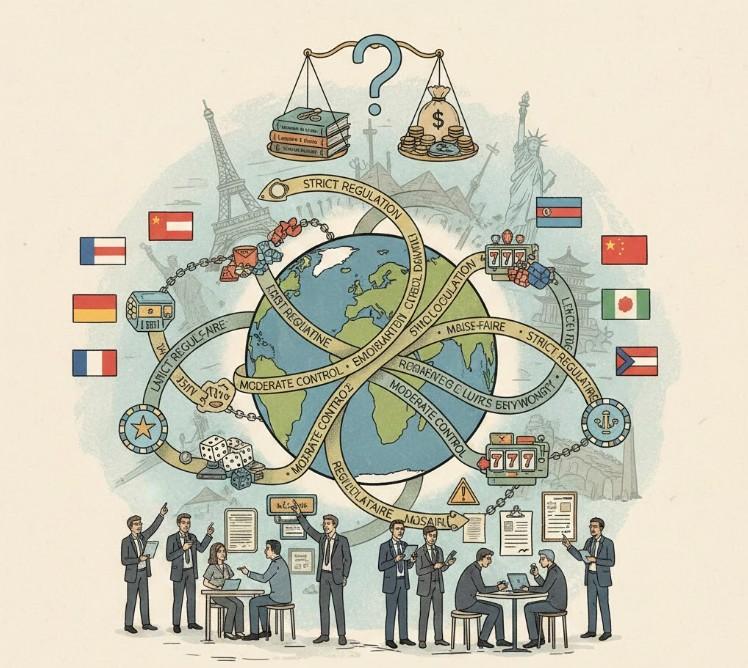
Tax revenue drives much of this shift. Governments see that legal, regulated gambling makes tax money and creates jobs. Bans just push activity to offshore sites, as these provide no domestic benefit.
Technology also makes regulation more practical. Modern ID verification, location tracking, and transaction monitoring give governments the tools they need.
These tools prevent underage gambling and money laundering. They did not exist when earlier ban laws were written.
How to Check If Casino Gambling Is Legal in Your Country
Finding accurate information about gambling legality requires checking several factors. These steps help you figure out what is permitted in your location.
- Separate physical casinos from online gambling.
- Check national law versus state or provincial law.
- Find the licensing authority.
- Look at domain extensions.
- Check government websites directly.
If you remain uncertain after checking these points, assume that gambling is either banned or unregulated in your area. Playing on unlicensed sites in countries with unclear laws creates financial and legal risks.
Suggested Reads:
Conclusion: 20+ Countries Where Gambling Is Legal in 2026
The United States, Macau, and Singapore lead the business markets with clear rules. Brazil, Thailand, and Japan represent emerging markets that changed worldwide gambling during 2026.
India specifically allows offline casinos in 3 states only, and online gambling is completely banned under PROGA 2025. Australia works in a similar way.
South asian countries like Pakistan, Bangladesh, and Indonesia have a complete gambling ban. Always verify local laws before playing at any casino.
FAQ
Macau, the US, and Singapore are the top 3 gambling countries in the world.
Saudi Arabia, Qatar, Indonesia, mainland China, and Pakistan keep complete bans on casino gambling.
In India, casinos exist only in the states of Goa, Sikkim, and Daman under state-level rules.
The United States, Macau, Singapore, the Philippines, the UK, Monaco, Australia, Canada, South Africa, and Peru all have legal casinos.
The Venetian Macao is the world’s largest casino by gaming space. City of Dreams in Macau and WinStar World Casino in Oklahoma rank among the largest casinos worldwide.
Macau, Singapore, the Philippines, South Korea, Cambodia, Vietnam, Nepal, and Myanmar all have legal casinos in Asia.
Casino gambling is legal in 43 U.S. states. Only Utah and Hawaii keep complete gambling bans.
