

Fake casino and betting scams have grown rapidly in India, exploiting digital payments, regulatory gaps, and user trust. From rogue online casinos and phishing websites to crypto betting traps and task-based frauds, these schemes cause severe financial losses and identity theft.
High-profile cases reveal how organized networks manipulate technology, advertising, and payment systems to operate at scale while remaining difficult to trace.
This article explains major scam types, real cases, fraud operations, and how to report fake casino scams in India.
Types of Fake Casino Scams
Scammers use a variety of methods to dupe users. The schemes can be classified in general according to their modus operandi.
The table below shows common types of scams and their primary goal:
| Scam Type | Description | Primary Goal |
|---|---|---|
| Malicious Casinos | Unlicensed sites that rig games or block withdrawals with fake excuses. | Theft of deposited funds. |
| Phishing Scams | Replica websites are used to steal user credentials and financial data. | Identity and financial data theft. |
| Task Scams | Small rewards lure victims into depositing large sums for fake tasks. | Extortion and theft of large deposits. |
| Fake Apps and Mirror Domains | Fraudulent betting apps or URLs that evade regulation and spread malware. | Circumvention of blocks and data harvesting. |
| Multiple Account Fraud | Multiple or stolen identities are used to exploit promotions and bonuses. | Bonus abuse and fraudulent winnings. |
| Crypto Gambling Scams | Fake crypto casinos or staking schemes that vanish with deposits. | Theft of cryptocurrency assets. |
| Scam Tipsters and Fixed-Match Scams | Fake “guaranteed win” tips are sold on social media. | Fee collection and direct financial fraud. |
Online Scam Cases (Case Study)
The scale and complexity of online gambling fraud are best illustrated by major case studies, particularly those originating from India.
The Mahadev Online Book Scandal
The Mahadev Online Book case has remained one of the biggest probes in financial crime, highlighting the web of illegal betting, black money, and political graft in India.
The syndicate, which ran a number of online betting portals, was worth ₹6K crore to ₹15K crore (nearly $720 million to $1.8 billion).
Source: The Hindu, Business Standard

Source: Deccan Herald
The masterminds of the game were in Dubai, where the main promoters, led by Ravi Uppal, planned an extensive network. The laundering of such huge sums was done through a maze of shell companies, benami bank accounts, and international transactions by the syndicate, according to the Enforcement Directorate (ED) investigation.
The platforms were taking bets on a range of live games, including cricket, tennis, and football, in a system designed to guarantee the promoters made cash while skirting Indian laws.
The case also resulted in seizure of assets worth over ₹91 crore, and the names of a few high-profile persons from across the country have emerged, indicating a wide network of such illegal activity in the mainstream economic life.
Other Noteworthy Allegations
Beyond the Mahadev case, other incidents underscore the diverse nature of fraud in the sector:
WinZO Bot Allegation
According to a prosecution complaint filed by the Enforcement Directorate (ED), the online real-money gaming platform WinZO embedded AI-driven algorithms and automated bots to simulate match-play against real users without their consent. The ED filed a formal chargesheet alleging that this systemic manipulation caused genuine users to suffer losses of approximately ₹734 crore, leading to a wider money laundering probe and enforcement actions against the platform’s promoters.
Source: Media Nama
Fiewin and Mule Accounts
The ED’s probe into the Fiewin platform revealed a web of international transactions routed through ‘mule’ accounts and cryptocurrency wallets, making detection and enforcement exceedingly difficult. This tactic is central to how illegal operators move money across borders discreetly.
Source: India Today
How Casino Fraudsters Operate in India
The operational model of casino fraudsters in India is characterized by a strategic exploitation of regulatory gaps, technological loopholes, and the country’s vast digital payment infrastructure.

Exploitation of Payment Systems and Identity
Fraudsters rely heavily on non-traceable and unauthorized financial channels to move illicit funds:
1. Mule Accounts: These are bank accounts opened by third parties, often vulnerable individuals, who are paid a small commission to allow their accounts to be used for transferring large sums of illegal money. This tactic provides a layer of anonymity for the main operators.
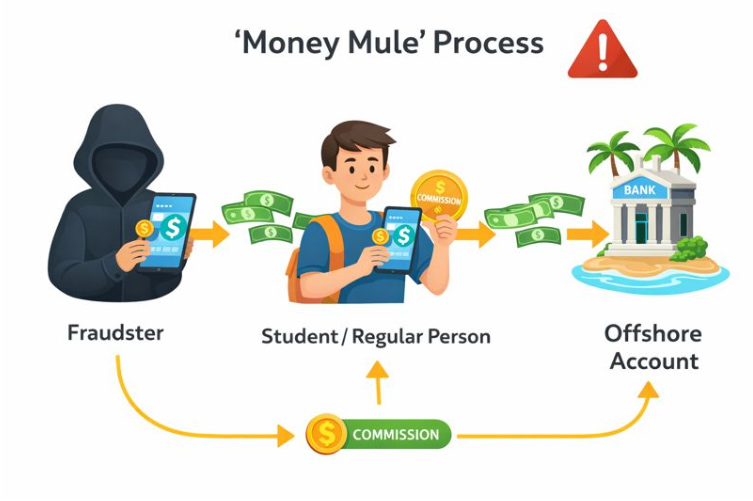
2. Unauthorized UPI Routes: India’s own extremely agile digital payment system, the UPI or Unified Payments Interface, does get routinely misused. According to reports, illegal operators are able to use unauthorized UPI channels and sophisticated apps for clandestinely routing money across borders without a digital gateway and facilitating money laundering.
3. Lack of KYC and Age Verification: Some platforms even intentionally leave out strict KYC and age verification. This not only aids money laundering, but it also allows young and vulnerable children to be aggressively targeted as they can play for high-stakes in lifelike games with no regulation.
Jurisdictional And Technical Evasion
The platforms are designed to be elusive and difficult to regulate:
Jurisdictional Grey Zones
Many illegal platforms are registered in tax havens such as Malta, Cyprus, and Curacao, placing them well outside the direct jurisdiction of Indian regulators. This creates a legal ambiguity that allows them to thrive, often masquerading as “games of skill” to exploit loopholes.
Mirror Domains
When authorities block a website, the operators immediately launch new ones using “mirror domains, “identical websites with slightly different URLs. The top 15 illegal sites used at least 40 such domains to maintain access, with over 66% of traffic coming via direct URLs or private sharing, suggesting strong user trust and brand recognition, even in the face of illegality.

Deceptive Advertising: Scammers use aggressive, deceptive online ads promising quick financial gain through betting games to lure users, often targeting vulnerable populations through psychological manipulation.
Betting Scams And Unauthorised Gambling Transactions
The regulatory environment in India has inadvertently contributed to the surge in unauthorized gambling. Following the ban on certain real-money gaming platforms, a survey indicated that offshore betting jumped nearly 14%, with users spending more and playing more frequently on these unregulated sites.
Source: Media Nama
This surge is fueled by the ease with which unauthorized transactions can occur. The lack of proper KYC and the use of mule accounts render transactions often untraceable. The core issue lies in the platforms’ ability to offer instant withdrawals and real-money play without verification, which is a critical component of their fraudulent appeal.
This systemic abuse not only fuels addiction but also enables large-scale money laundering, posing a serious threat to the country’s financial stability.
The problem is compounded by the blurred line between games of skill and games of chance. Regulatory ambiguity has created an environment where offshore platforms thrive in the grey areas, leaving consumers vulnerable to mental and financial harm.
Experts call for a national-level statutory system (may be overseen by an authority similar to SEBI) that would require licensing, audit,s and public awareness campaigns to prevent addiction and fraud.
How to Report a Fake/Casino Scam
Immediate and decisive action is crucial upon discovering a casino or betting scam. In India, the government has established clear channels for reporting cyber financial fraud.

The primary mechanism for reporting online financial fraud is through the National Cyber Crime Reporting Portal and its associated helpline.
| Reporting Channel | Details | Action |
|---|---|---|
| Cyber Crime Helpline | 1930 | Call immediately upon discovering the fraud. This number is crucial for freezing the movement of funds if the transaction is recent. |
| National Cyber Crime Reporting Portal | cybercrime.gov.in | File a formal complaint using the “Report Other Cybercrimes” option. |
To follow the complete process of reporting a casino scam, check out our step-by-step guide.
Steps to Report A Scam
1. Immediate Contact: Call the National Cyber Crime Helpline 1930 immediately. Time is of the essence, as quick reporting increases the chances of recovering the lost funds by alerting banks to freeze the transaction.
2. Provide Details: Clearly explain the incident to the helpline operator. Be prepared to provide all transaction details, including the amount lost, the date and time of the transaction, the platform name, and the payment method (e.g., UPI, bank transfer).
3. File Formal Complaint: Visit the National Cyber Crime Reporting Portal at cybercrime.gov.in and file a detailed formal complaint. Use the “Report & Track” option to register the case.
4. Gather Evidence: Collect all relevant evidence, including screenshots of the betting platform, transaction receipts, chat logs with the fraudsters, and any email correspondence. This evidence will be vital for the police investigation.
5. Follow Up: Note the complaint registration number and follow up with the local police station or the cyber cell as directed by the portal or the helpline.
