There are four major types of casinos worldwide in 2026, which are physical, digital, Web3, and other new-age tech platforms.
Casinos have gone beyond just offline and online, and the new forms do not bring you any legal trouble.
This blog will explain each casino type, show you how they work, where they operate, and help you figure out which one fits your needs. You’ll learn about the technical things, legal issues, and what you can expect from each type.
The 4 Major Types of Casinos in 2026 (Quick Overview)
The casino industry in 2026 breaks down into four main categories:
| No | Casino Pillar | Where It Operates | Who It’s Best For | Key Feature |
|---|---|---|---|---|
| 1 | Digital Casinos | Mobile apps & websites | Convenience players | Play anytime |
| 2 | Physical Casinos | Resorts, ships, racetracks | Travel & luxury players | Real-world experience |
| 3 | Web3 Casinos | Blockchain platforms | Crypto users | Provably fair games |
| 4 | Technology-Driven | VR & skill-based | Tech-first players | Immersive gameplay |
Each type has a different purpose. Digital casinos focus on easy access and convenience. Physical casinos give you social experiences and atmosphere. Web3 casinos offer transparency through blockchain technology.
Technology-driven casinos create new forms of gameplay that mix video games with gambling. Let’s understand each casino type and their sub types in detail:
1. Digital Casinos (Online & App-Based)
Digital casinos work via websites and mobile apps that you can use from any device with the help of the internet.
| Type | Real Money | Regulation | Risk Level |
|---|---|---|---|
| Regulated iGaming | Yes | High | Low |
| Sweepstakes | No (virtual) | Medium | Very Low |
| Offshore Casinos | Yes | Low | Medium–High |
Most of these work through the website and app combined
Regulated iGaming Casinos
These platforms have official licenses from state or national gambling authorities. They check your identity through KYC processes before you can put in any money.
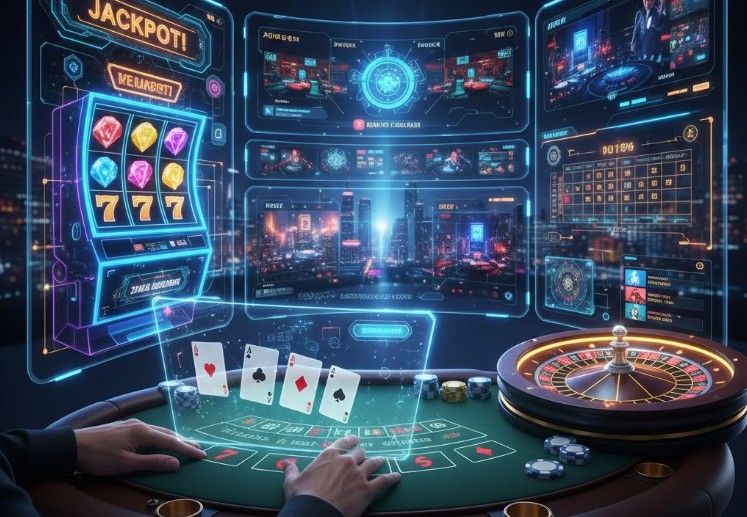
Player protection features include deposit limits, self-exclusion tools, and ways to resolve disputes. When you win money, the casino handles your local tax requirements.
Key Features:
- High security with data encryption and secure payment methods
- Live dealer studios that stream real dealers from physical locations
- Use of Random Number Generator (RNG) for a fair game
- Player protection tools, such as spending limits and cooling-off periods
- AI systems that monitor gameplay for problem gambling patterns and fraud detection
- Cloud streaming that lets you play without downloading large files
Example: 4WD Gaming, BLITZPOKER, Big Daddy Chain of Casinos,
Sweepstakes Casinos
Sweepstakes Casinos use virtual credits instead of real money deposits. You get free credits every day, or you can buy them as part of promotional packages. Sweepstakes work in states and countries where real money gambling is not allowed.
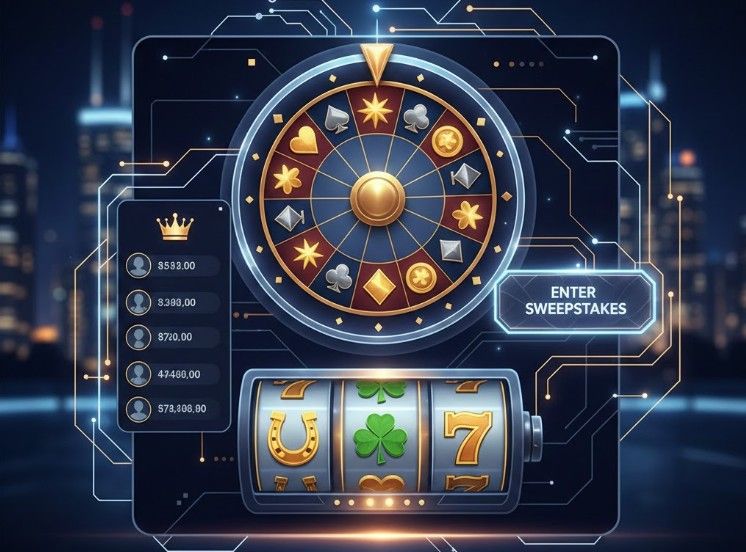
The difference between playing and winning matters here. You play with virtual currency, but some platforms let you turn winnings into real prizes or gift cards. This creates a legal difference from traditional gambling in many places.
Key Features:
- No real-money deposits required to play
- Free daily credits and bonus rewards
- Social features like leaderboards and friend challenges
- Prize redemption systems for gift cards or sweepstakes entries
- No age verification in most regions
Offshore Digital Casinos
Offshore casinos work under licenses from countries like Curaçao or Malta. These platforms usually offer much higher bonuses than regulated platforms and have fewer betting rules.

The online gambling market is estimated at $101.45 billion in 2026, on its way to reach $168.71 billion by 2031. (Source: Mordor Intelligence)
The legal risk is different for countries; some nations block these sites, others allow them, and many exist in a gray area.
Key Features:
- Higher welcome bonuses and promotional offers
- Fewer betting limits and withdrawal restrictions
- Multiple currency options, including crypto
- Faster withdrawal processing times
- Access to games not available on regulated platforms
The category you choose depends on where you live and what level of legal protection you want. Regulated platforms follow strict rules but may not be available everywhere.
Sweepstakes casinos offer a workaround in restricted areas. Offshore casinos provide access but operate outside local laws.
2. Physical Casinos (Land-Based & Offshore)
Physical casinos give you in-person gambling experiences at specific locations around the world.
| Type | Location | Legal Control | Main Attraction |
|---|---|---|---|
| Integrated Resorts | Tourist hubs | Highly regulated | Luxury & entertainment |
| Tribal Casinos | Local regions | Sovereign rules | Sports betting |
| Cruise Casinos | International waters | Maritime laws | Gambling + travel |
Each format works under different legal systems. Integrated resorts follow strict government oversight.
Tribal casinos work under sovereign nation laws. Cruise casinos use maritime law to offer gambling while traveling through international waters.
Let’s see each one in detail:
Integrated Resort Casinos (IRs)
These resorts offer casino experiences with a separate casino floor or lounge, VIP lounges with private dealers, hotel towers, shopping centers, and conference facilities.
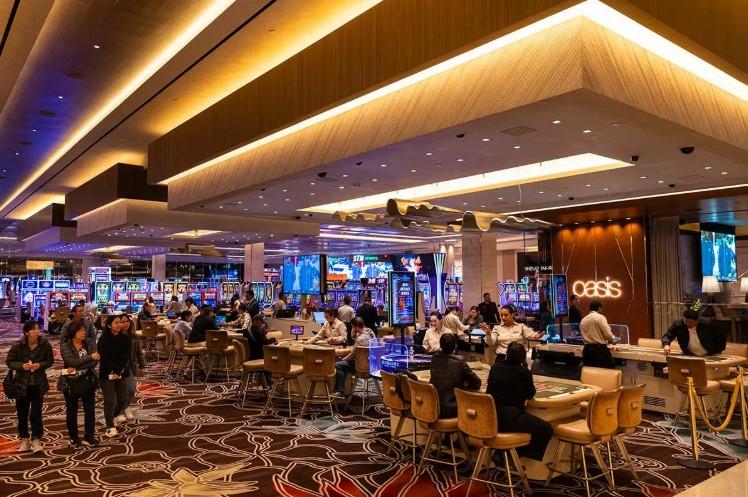
These focus on creating a complete lifestyle experience rather than just gambling, and that is why they make money from many sources beyond just gaming tables and slot machines.
Visitors often spend several days at these properties without leaving. You can find this format in casino legal places like Goa, Macau, Las Vegas, and Singapore.
Key Features:
- High security with data encryption and secure payment methods
- Live dealer studios that stream real dealers from physical locations
- Player protection tools like spending limits and cooling-off periods
- AI systems that monitor gameplay for problem gambling patterns and fraud detection
- Cloud streaming that lets you play without downloading large files
Tribal & Regional Casinos
Tribal casinos run on land owned by tribal communities. These casinos follow their own gaming rules instead of state laws, which gives them freedom in how they operate.
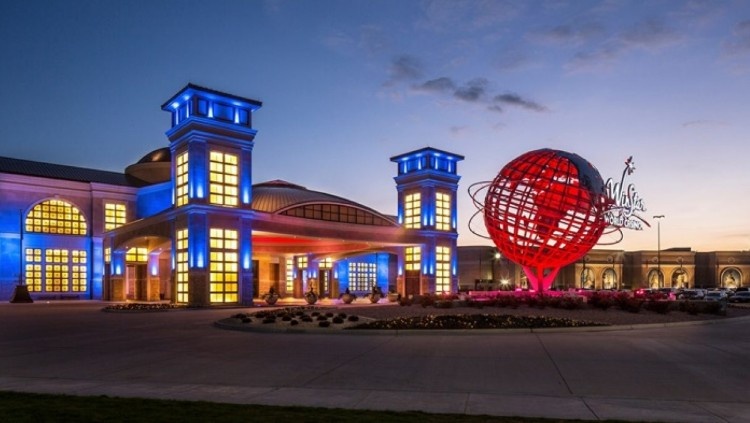
Many tribal casinos now also offer sports betting, especially as more states allow it. Racinos are places that combine horse or dog racing tracks with casino games like slot machines and table games.
These casinos help bring gambling options to smaller towns and regions where big resort casinos are not allowed. The money earned is often used to support the local community.
Key Features:
- Strong sportsbook offerings with live betting
- Cashless payment systems using cards or mobile apps
- Community programs funded by casino revenue
- Lower operating costs than resort casinos
- Local promotions and loyalty programs
Source: ebsco
Offshore Physical Casinos
Offshore physical casinos operate on riverboats and cruise ships. Riverboat casinos stay docked on rivers or lakes, while cruise ship casinos allow gambling when the ship is sailing in international waters.
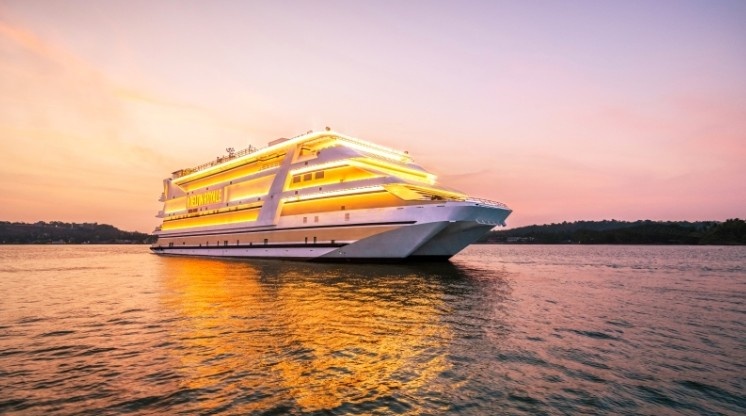
These casinos use their location to legally offer gambling in places where land-based casinos are not allowed.
Key Features:
- Casino games and slots that accept different currencies
- No local gambling taxes in many cases
- Travel and gambling combined in one package
- Casinos can stay open 24 hours while at sea
- Gambling becomes legal once the ship enters international waters
When a ship moves into international waters, it no longer follows the local country’s laws. Instead, it follows maritime (sea) laws, which allow casinos to operate even if gambling is banned on land.
The global casino industry is also growing fast. In 2025, it was worth about USD 92.3 billion and is expected to grow to nearly USD 159.1 billion by 2035. (Source: Global Growth Insights)
3. Web3 & Crypto Casinos
Web3 casinos run on blockchain technology. Instead of creating a normal account with email or password, you simply connect your crypto wallet and start playing.
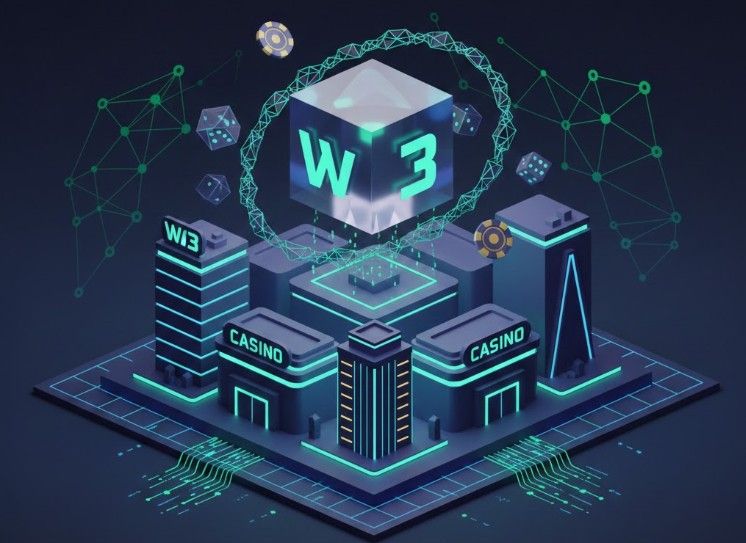
You always stay in control of your money. The casino never holds your funds. When you place a bet, contracts (automatic blockchain programs) handle everything. If you win, the money is sent to your wallet instantly.
Because everything happens on the blockchain, payments are fast and transparent.
Key Features:
- You control your money using your own crypto wallet
- Instant payouts directly to your wallet
- No KYC or ID verification required
- You can play anonymously using only a wallet address
- Lower transaction fees compared to traditional payment methods
Provably Fair Crypto Casinos
Provably fair crypto casinos use technology to prove that every game result is fair. Before a game starts, the casino creates an encrypted (hash)code for the result. This code is shared in advance, so the result cannot be changed later.

After you place your bet, you receive a unique number (seed). By using this seed together with the earlier hash, you can personally check whether the game result was genuine.
This means you don’t have to blindly trust the casino; you can verify the fairness yourself.
Key Features:
- Game results can be checked using cryptographic codes
- Fair and transparent random number system
- All bets are recorded on the blockchain
- Players can verify fairness without outside auditors
- Common games include Crash, Dice, and Mines
This system allows players to confirm that results were not manipulated. Instead of trusting the casino company or third-party testing agencies, the computer code itself proves fairness.
The crypto casino could be worth around USD 13 billion in 2026 and grow to USD 114.05 billion by 2035. (Source: Business Research Insights)
4. Technology-Driven Types (Future-Focused)
Technology-driven casinos use digital innovations to create modern, interactive gambling experiences that feel different from traditional casinos.
Metaverse & VR Casinos
Metaverse and VR casinos create virtual casino worlds where you play using a digital character called an avatar.

You can walk around the casino floor, sit at poker tables, play slot machines, and interact with real players from around the world. You can talk using voice chat and even use hand movements in VR.
Key Features:
- 3D virtual casino worlds you can explore
- Play using a personal avatar
- Voice chat and gesture controls
- Virtual VIP lounges and private rooms
- Realistic poker table interaction
These VR casinos feel like real casinos, with table behavior and player interaction, while still offering the comfort of online play. You can join them using a VR headset or, in some cases, a normal computer.
Skill-Based Casinos
Skill-based casinos mix gaming skills with gambling. Instead of relying only on luck, your actions matter. For example, your timing, accuracy, or decisions can affect your winnings.
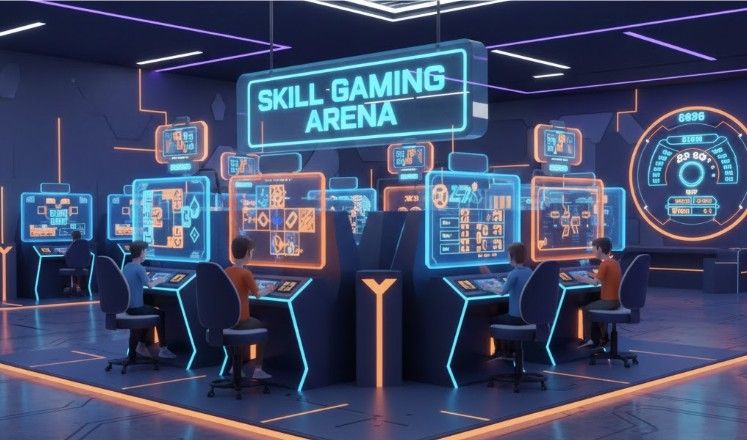
Some games feel like video games, such as shooting games, strategy games, or interactive slot machines, where you control bonus rounds.
Key Features:
- A mix of skill and luck in gameplay
- Video-game-style betting games
- Interactive slot bonuses
- Leaderboards and tournaments
- Player decisions affect winning chances
These casinos mainly attract younger players who are more familiar with video games than traditional casino games. Unlike normal slots that depend only on luck, skill-based games allow practice and better gameplay to improve results.
Key Technical Differences Between Casino Types (2026)
Understanding how each casino type handles money, establishes trust, and delivers player experiences will help you make better choices.
1. Financial Flow
Physical and regulated digital casinos process transactions using regular currency through e-wallets or direct bank transfers.
Web3 casinos work using cryptocurrency wallets where you control the private keys yourself.
2. Trust Mechanism
Traditional casinos establish trust through government audits and third-party testing labs.
Regulatory agencies check random number generators and payout percentages through regular inspections.
Web3 casinos use provable fairness where the blockchain permanently records every transaction.
3. Player Experience
Digital casinos focus on speed and efficiency above all else. You can play hundreds of betting rounds per hour.
Physical and VR casinos focus on creating atmosphere and enabling social engagement.
The experience includes conversation with other players, observation of their behavior, and presence in a shared space.
Which Type of Casino Is Best for You?
Use this list to choose which one is best for you:
- Casual players who want quick sessions → online casinos with mobile apps
- Travel and luxury seekers → physical resort casinos with full amenities
- Privacy-focused users who avoid KYC → Web3 crypto casinos
- Social gamers who want interaction → VR casinos or live dealer platforms
- Competitive players who want skill → skill-based gaming casinos
- Budget players who don’t want to risk real money → sweepstakes casinos
Legal Considerations Of Casino Types
Legality depends on where you are located, the type of casino you use, and if real money is involved.
Physical casinos must have permission from local gambling authorities to operate. Online casinos must follow the gaming laws of the area they serve.
Web3 casinos do not yet have clear rules in many countries. Sweepstakes casinos use virtual currency so they can operate in places where normal gambling is restricted.
The Online Gaming Bill (PROGA) 2025 introduced new rules in India, and these require online casinos to operate without taking money from players, get licenses, and follow player safety guidelines.
Before using any casino platform, you should check the gambling laws in your area to avoid legal issues.
Conclusion: There Are Four Main Types Of Casinos In 2026
The casino industry in 2026 includes online casinos, physical casinos, Web3 platforms, and technology-based systems.
Each type is made for different player needs. The old idea of online versus offline casinos is no longer enough. Every format works with its own rules, technology, and structure.
Your choice depends on what matters to you, such as ease of use, social interaction, privacy, or digital features. Knowing these differences helps you choose what fits your situation.
FAQs
The four main types of casinos in 2026 are digital casinos, physical casinos, Web3 casinos, and technology-driven casinos.
Casino classes are regulatory categories in the United States. Class I casinos include traditional tribal ceremonies and social gaming. Class II facilities cover bingo operations and non-banked card games. Class III include slot machines, table games, and banked card games.
Casino games generally fall into several different categories. Table games, card games, Electronic games, Dice games, etc.
The number 21 refers to blackjack in casino terminology. While this bonus payout no longer exists in casinos, the name blackjack is the standard term for the game.
The number seven appears throughout casino design because it carries cultural significance as a lucky number across many different societies and traditions.
